







 Written by Richard Clark on 9 Jan 2026
 The Difference Between Surface Cleaning and True Deep Carpet Hygiene
Many carpets look clean on the surface but still harbour dirt, bacteria, and allergens deep within their fibres. This is one of the most common misunderstandings homeowners have about carpet care. A quick vacuum or spot clean may improve appearance temporarily, but it does not address the hidden contamination that affects hygiene, air quality, and carpet lifespan.
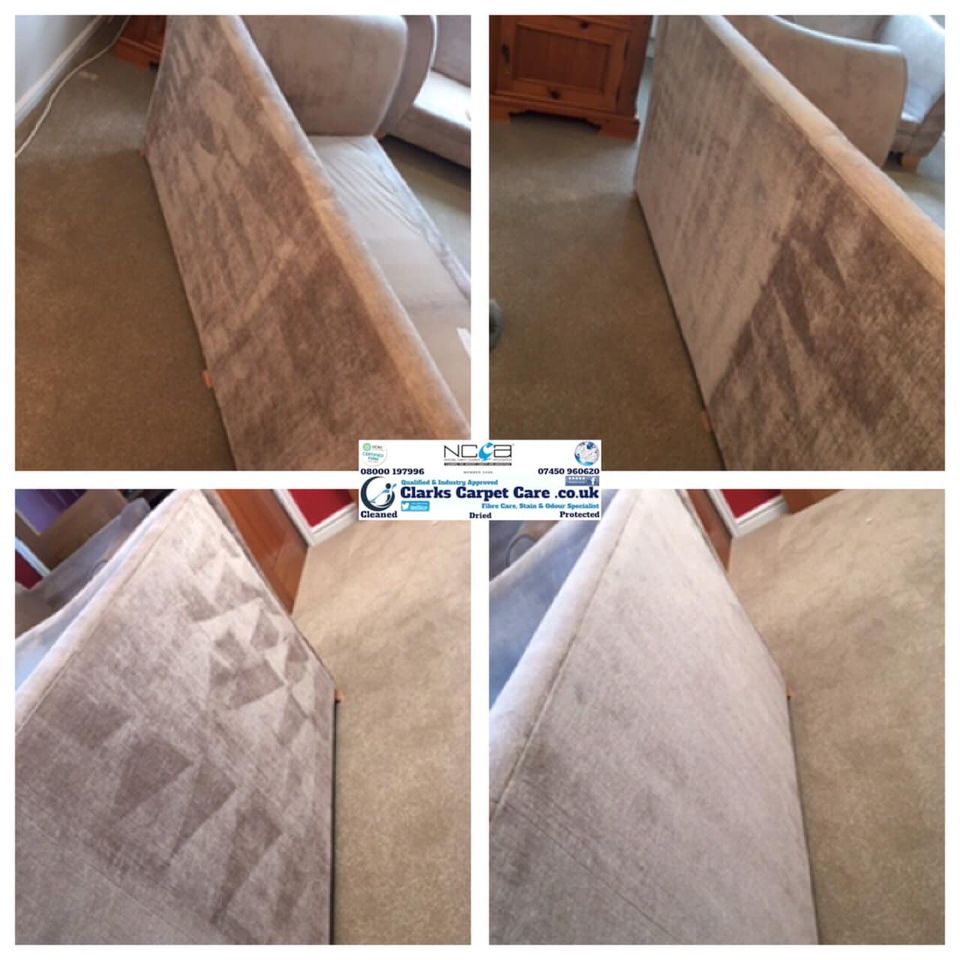
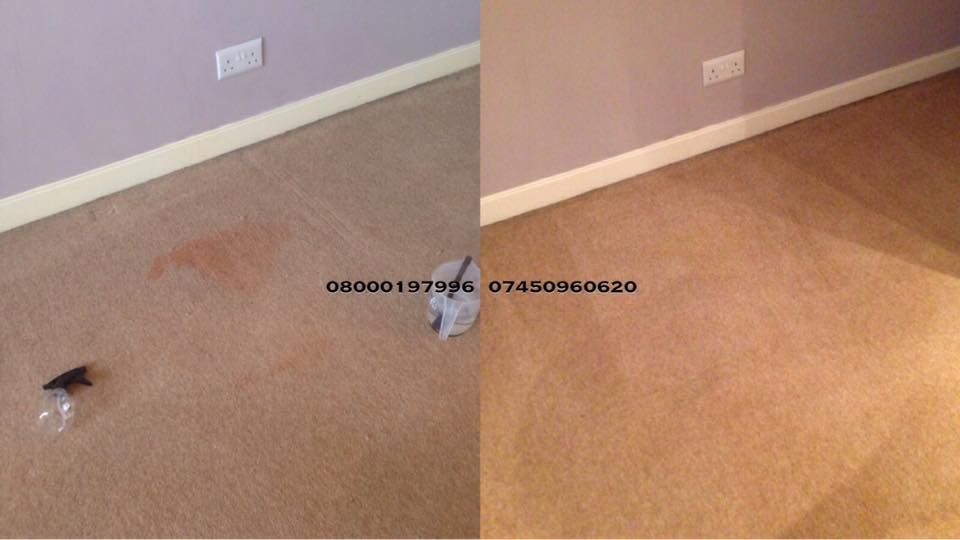
At Clarks Carpet Care, we regularly encounter carpets that appear spotless yet release dark, contaminated water during professional cleaning. This blog explains the crucial difference between surface cleaning and true deep carpet hygiene — and why that difference matters for your home and health.
What Is Surface Carpet Cleaning?
Surface cleaning refers to any method that only removes visible dirt from the top layer of the carpet.
Common Surface Cleaning Methods
- Regular vacuuming
- Carpet powders and sprays
- Spot-cleaning stains
- DIY shampoo machines
- Rental carpet cleaners
These methods focus on appearance rather than hygiene.
The Limitations of Surface Cleaning
Surface cleaning removes loose debris but leaves behind:
- Embedded grit
- Dust mites
- Bacteria
- Pollen
- Pet dander
- Residue from cleaning products
Because these contaminants sit deeper in the pile and underlay, they remain untouched — and continue affecting air quality and carpet condition.
What Is True Deep Carpet Hygiene?
True deep carpet hygiene involves removing contaminants from:
- The full depth of the carpet fibres
- The carpet backing
- The upper layer of underlay
This can only be achieved using professional-grade equipment and methods.
How Professional Deep Cleaning Works
Hot Water Extraction (Steam Cleaning)
Professional steam cleaning uses:
- High-temperature water
- Fibre-safe cleaning solutions
- Powerful extraction suction
This process:
- Loosens compacted dirt
- Kills bacteria and dust mites
- Flushes out allergens
- Removes residues completely
Why Hygiene Matters More Than Appearance
A carpet can look clean while still:
- Smelling musty
- Triggering allergies
- Harbouring bacteria
- Affecting indoor air quality
True hygiene improves:
- Respiratory health
- Allergy symptoms
- Home freshness
- Overall cleanliness
The Role of Residue in Poor Carpet Hygiene
Many DIY products leave sticky residues behind.
Why Residue Is a Problem
- Attracts dirt rapidly
- Causes carpets to re-soil
- Encourages bacteria growth
- Creates dull, flat appearance
Professional cleaning removes residue entirely.
How Deep Cleaning Extends Carpet Life
Dirt particles act like sandpaper inside carpet fibres.
Deep cleaning:
- Removes abrasive grit
- Prevents fibre breakdown
- Restores pile structure
- Reduces wear patterns
This significantly extends carpet lifespan.
How Often Should Deep Cleaning Be Done?
- Every 6–12 months for most homes
- Every 3–4 months for allergy sufferers
- More frequently for pets or heavy traffic areas
Surface cleaning should complement — not replace — deep cleaning.
Signs Your Carpet Needs Deep Cleaning
- Persistent odours
- Dull or grey appearance
- Allergy flare-ups
- Stains returning after cleaning
- Sticky or crunchy texture
These all indicate surface cleaning is no longer enough.
Why Choose Professional Carpet Hygiene Services
At Clarks Carpet Care, we deliver:
- True deep hygiene, not cosmetic cleaning
- Eco-friendly, residue-free solutions
- Fast drying times
- Improved air quality
- Long-lasting results
Conclusion
Surface cleaning may improve how carpets look, but only deep professional cleaning improves how carpets perform — hygienically and structurally. For a cleaner, healthier home, deep carpet hygiene is essential.