




 Written by Richard Clark on 9 Aug 2026
 How Everyday Dust Gradually Changes the Look of Your Carpets
Dust is a normal part of every home, but its effect on carpets is often underestimated. Because dust particles are small and light, they can settle quietly into carpet fibres without being noticed at first. Over time, this gradual build-up can change how carpets look, feel and perform.
At Clarks Carpet Care Edinburgh, we often see carpets that do not have obvious stains but still appear dull, tired or darker than they once were. In many cases, everyday dust is one of the main reasons. Understanding how dust affects carpets can help homeowners maintain a fresher and more attractive home.
Where Household Dust Comes From
Dust is made up of many tiny particles from different sources. These may include skin flakes, fabric fibres, pollen, soil, pet dander and general airborne debris.
Common dust sources include:
- Open windows
- Outdoor footwear
- Clothing fibres
- Upholstery and curtains
- Pets
- Everyday movement around the home
Once dust settles, carpets naturally trap it within their fibres.
Why Carpets Hold Onto Dust
Carpets have a textured surface made up of thousands of fibres. These fibres catch dust particles and stop them from moving freely around the room.
While this can help reduce airborne dust temporarily, it also means carpets need regular cleaning to remove what they collect.
How Dust Dulls Carpet Colour
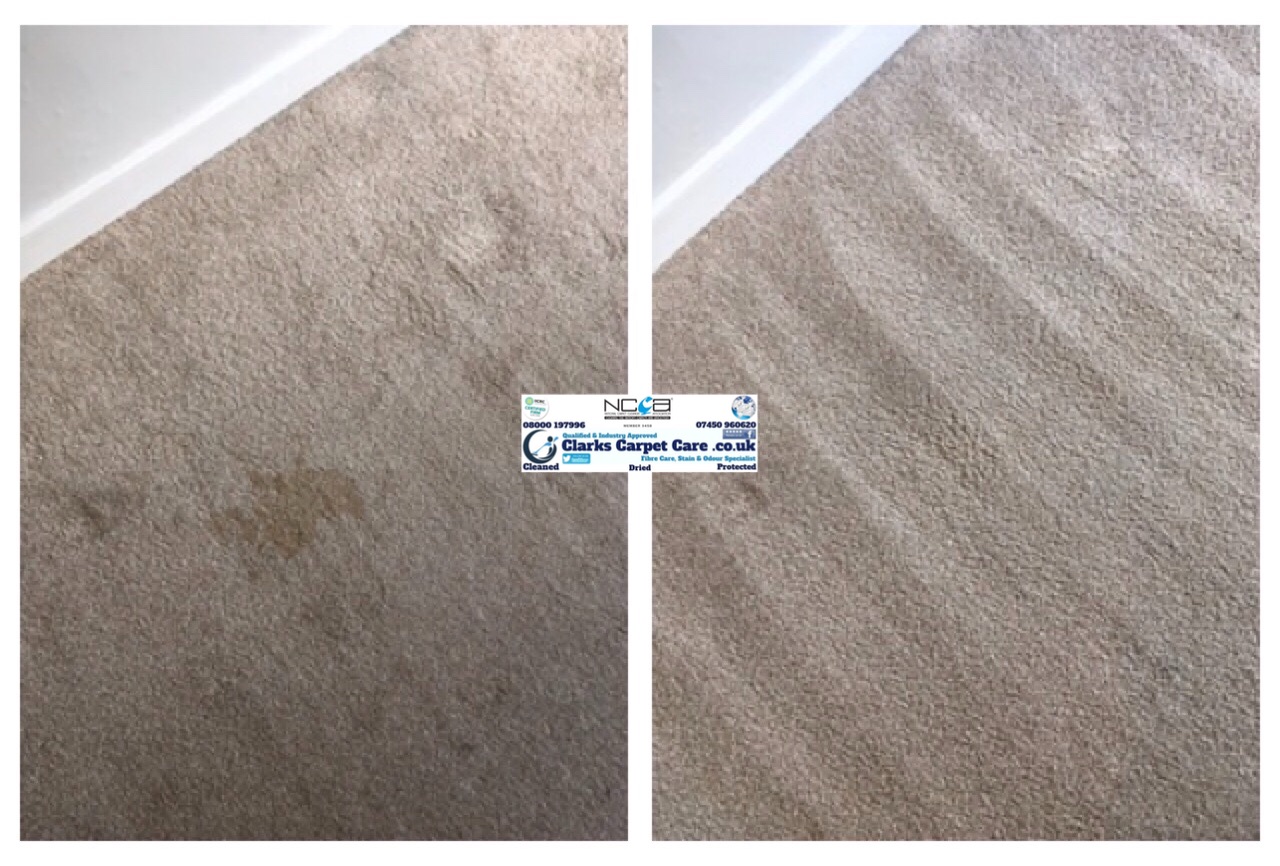
Dust does not always make carpets look obviously dirty straight away. Instead, it gradually coats the fibres and reduces their brightness.
Over time, this can cause carpets to look:
- Greyer
- Duller
- Less vibrant
- Older than they really are
- Less fresh overall
This is especially noticeable on light-coloured carpets.
Dust and High-Traffic Areas
Dust becomes more damaging in areas with regular foot traffic. As people walk across the carpet, dust and fine grit are pushed deeper into the fibres.
This can create darker paths through rooms, particularly in hallways, living rooms and doorways.
Dust Can Affect Carpet Texture
Dust does not only change appearance. It can also affect how carpets feel. When fine particles build up inside the pile, fibres may feel less soft and more compacted.
A carpet that once felt comfortable underfoot may begin to feel flatter and rougher over time.
Why Vacuuming Helps But Has Limits
Vacuuming is essential for controlling household dust, but it does not remove everything. Some dust settles deep within the carpet, below the reach of ordinary vacuum suction.
Regular vacuuming helps maintain the surface, while professional cleaning removes deeper build-up.
How Professional Cleaning Removes Embedded Dust
Professional carpet cleaning reaches further into the fibres than standard vacuuming. At Clarks Carpet Care, our cleaning process helps remove trapped dust, grit and fine debris from deep within the carpet.
This can help:
- Brighten carpet colour
- Improve texture
- Reduce dullness
- Refresh the room
- Extend carpet lifespan
How to Reduce Dust Build-Up Between Cleans
Homeowners can reduce dust with a few simple habits.
Helpful steps include:
- Vacuuming regularly
- Dusting surfaces before vacuuming
- Using entrance mats
- Removing shoes indoors
- Washing soft furnishings periodically
- Booking professional cleaning when carpets start to look dull
These habits help carpets stay fresher for longer.
Conclusion – Small Dust Particles Can Make a Big Difference
Everyday dust may seem harmless, but over time it can gradually change the look and feel of carpets. It dulls colour, settles into fibres and contributes to a tired appearance.
Regular vacuuming and professional carpet cleaning from Clarks Carpet Care help remove this hidden build-up, restoring freshness and helping carpets maintain their appearance. By managing dust properly, homeowners can keep their carpets looking cleaner and brighter for longer.