




 Written by Richard Clark on 5 Nov 2026
Carpet Cleaning & Repairs After Plumbing, Electrical or Renovation Work
Plumbing, electrical and renovation work sometimes requires access beneath an existing carpet. A section may need to be lifted for new cables, pipework, floor repairs or access to services below.
When the trade work is finished, the carpet does not always sit back exactly as it did before. Edges can loosen, cuts may become visible and previously tensioned areas can develop ripples or movement.
Why Lifted Carpet Can Be Difficult to Refit
Carpet is normally installed under tension and secured around the perimeter. Once it has been released, simply laying it back down may not restore that original fit.
If the carpet has stretched, been cut inaccurately or remained loose while other work was carried out, it may require re-tensioning and careful refitting.
Cuts Made for Access
Sometimes tradespeople need to cut carpet to reach a specific area. Whether that cut can be repaired neatly depends on its position, direction, length and the carpet construction.
A straight, controlled cut may be easier to address than an irregular tear. Where material has been removed or badly frayed, a local patch may be required.
Damage Around Pipework and New Fixtures
New radiator pipes, sockets, built-in units or other fittings can change the shape of the area the carpet needs to fit around.
Poorly cut openings can leave gaps that are difficult to hide. Accurate trimming and repair work are particularly important where the affected area is visible rather than concealed by furniture.
What Happens If Grippers Are Removed?
Building work can disturb or remove carpet grippers around walls and thresholds. If the carpet no longer has a secure perimeter fixing, it may move underfoot or fail to hold the correct tension.
A repair may therefore need to address the fixing system as well as the visible carpet. Re-stretching alone will not provide a lasting result if the edge has nothing secure to attach to.
Renovation Dust and Contamination
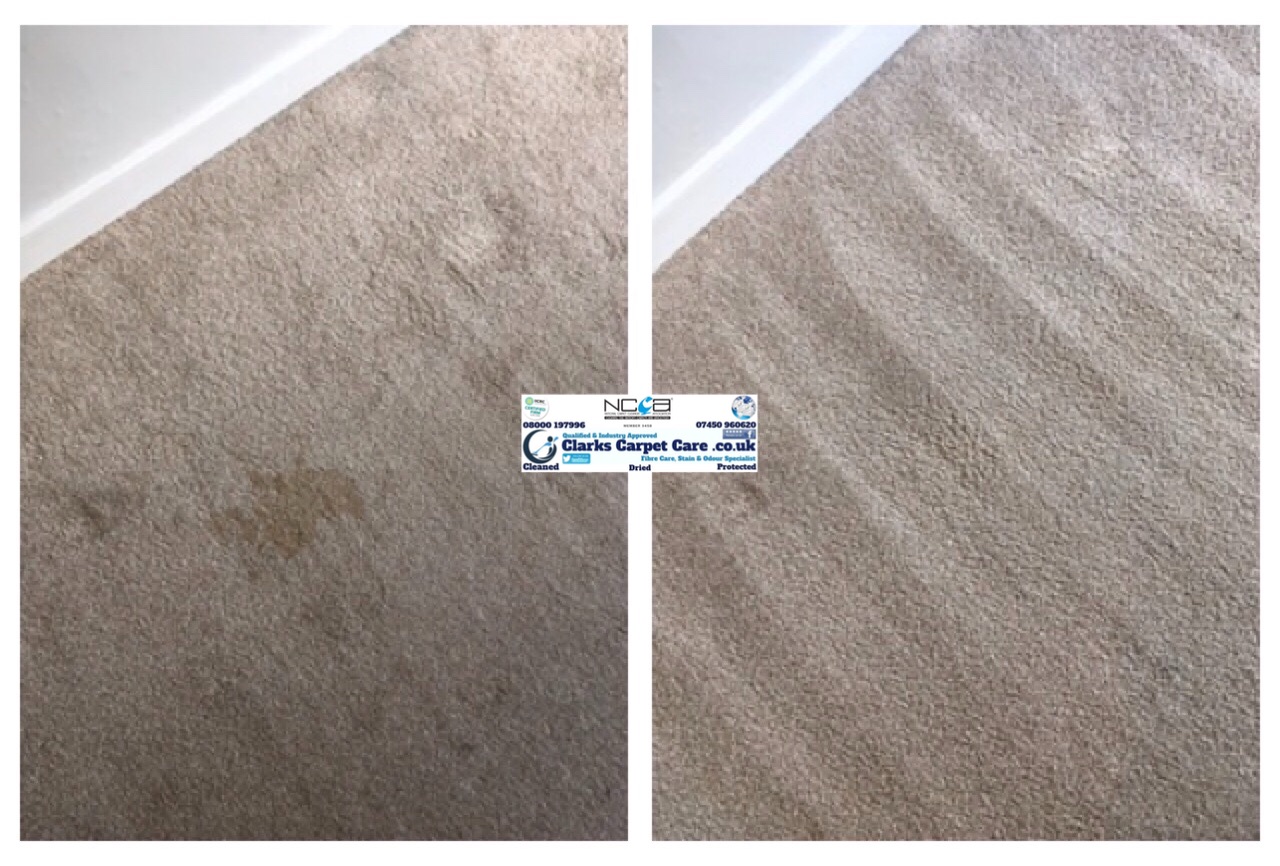
Building work can also introduce fine dust and debris into the carpet. Even when the main concern is refitting, the flooring may benefit from professional cleaning after the repair has been completed.
Fine renovation dust can work deeply into the pile, particularly if people continue walking through the area during the project.
Repairing Rather Than Replacing
If the carpet was in good condition before the building work, local repair may be far more practical than replacing an entire room.
The best results are usually achieved when damage is assessed before loose edges are repeatedly walked on or frayed sections are trimmed away.
Carpet Cleaning & Repairs in Edinburgh After Building Work
Clarks Carpet Care provides professional carpet cleaning & carpet repair services across Edinburgh for carpets affected by access work, local cuts, tears and other forms of damage.
If a plumber, electrician or contractor has needed to lift or cut your carpet, an assessment can determine whether the area can be re-secured, re-stretched, repaired or locally patched.
Plan Carpet Access Before the Trade Work Starts
Where possible, it is better to think about the carpet before plumbing, electrical or building work begins. A controlled lift from an edge or seam can be easier to refit than an unnecessary cut made through the middle of a room.
If contractors know that the carpet is intended to remain, they can often plan access more carefully. Keeping any offcuts or pieces removed during the work can also be useful if a later patch is required.
Why Carpet Should Be Protected During Renovation
Dust sheets and protective coverings help reduce surface contamination, but the type of protection matters. Loose coverings can move underfoot, while adhesive films that are not suitable for carpet can leave residue or pull fibres.
Renovation dust is extremely fine and can travel beyond the immediate work area. Closing doors, controlling dust at source and vacuuming carefully throughout the project can reduce the amount that becomes embedded in the pile.
Refitting Carpet Around New Pipework and Services
New pipes or cables can alter the way a carpet needs to sit. Small openings need to be positioned accurately so that they fit around the service without leaving an obvious gap or placing excessive strain on the carpet.
Where a previous opening is no longer required, the visible defect may need a local repair. The success of that work will depend on the carpet style, location and availability of matching donor material.
Renovation Can Reveal Problems That Were Already Present
Lifting a carpet sometimes exposes worn underlay, loose grippers or damaged subfloor areas that were not obvious beforehand. Reinstalling the carpet without addressing these problems can lead to movement, unevenness or premature wear afterwards.
A repair assessment can therefore be useful even when the carpet itself has not been badly damaged by the trade work. Correcting the support and fixing system can be just as important as making a visible cut disappear.
Cleaning After Builders Have Finished
Once all dusty work is complete and the carpet has been repaired or refitted, a professional clean may help remove fine construction dust and everyday soil accumulated during the project. Cleaning should normally be one of the later stages so that fresh contamination is not introduced immediately afterwards.
This final clean can help the flooring match the improved appearance of the renovated room and remove residues that ordinary vacuuming may leave deep within the pile.
Conclusion – Finish the Renovation by Restoring the Flooring
The work beneath the floor may be complete, but a loose or poorly refitted carpet can leave a room feeling unfinished. Professional carpet repair can help restore tension, secure edges and address local damage so that the flooring once again fits the room as intended.