




 Written by Zeek on 7 Jul 2026
 Moving house can be exciting, but it can also be one of the easiest times for carpets to become marked, stained or damaged. With furniture being moved, boxes being carried through hallways, shoes coming in and out, and doors often left open, carpets can quickly take a lot of wear in a short space of time. Whether you are moving into a new property or leaving your current home, protecting your carpets during a home move is a simple way to avoid unnecessary cleaning, repair costs and stress.
Good preparation makes a big difference. By thinking ahead and putting a few protective measures in place, you can help keep carpets cleaner, reduce the risk of damage and make the moving process much smoother.
Why Carpets Are at Risk During a Move
During a normal day, carpets may only deal with regular foot traffic. During a move, that changes completely. There may be removal teams, family members, delivery drivers and tradespeople walking through the property repeatedly. Heavy furniture, sharp corners, muddy shoes, damp weather and loose packaging can all contribute to carpet damage.
Hallways, stairs, living rooms and entrances are usually the areas most affected. These spaces often become the main routes for carrying boxes and furniture, which means they are exposed to more pressure, dirt and movement than usual.
Even if everyone is careful, accidents can happen. A dropped box, a leaking plant pot, a damp shoe print or a sofa leg dragged across the carpet can leave marks that are difficult to remove without professional help.
Use Carpet Protection Film
One of the most effective ways to protect carpets during a move is by using carpet protection film. This is a temporary adhesive film designed to sit over carpeted areas and create a protective barrier.
It can be especially useful for hallways, stairs and entrance areas where people will be walking back and forth throughout the day. Carpet protection film helps reduce dirt transfer and can protect against light spills, dust and scuff marks.
It is important to use the correct type of film for carpets, as not all protective coverings are suitable for soft flooring. The wrong product may leave residue or affect the carpet fibres. Always check that the film is designed specifically for carpet use and remove it once the move is complete.
Lay Down Dust Sheets or Runners
If carpet film is not available, clean dust sheets, old blankets or carpet runners can also provide useful protection. These are particularly helpful in areas where furniture is being carried through or where people are likely to stand while loading and unloading.
Make sure any sheets or runners are clean before putting them down. Dirty sheets can transfer dust and marks onto the carpet, which defeats the purpose of using them. They should also be secured where possible to prevent slipping, especially on stairs.
For heavier traffic areas, thicker coverings may be more effective. A thin sheet may help with dust, but it may not offer much protection against heavy furniture or sharp objects.
Clean Shoes and Use Doormats
Moving day usually involves a lot of outdoor-to-indoor movement. If it is raining, muddy or windy, dirt can quickly be walked through the home. Placing heavy-duty doormats at entrances can help reduce the amount of dirt being brought inside.
It may also be worth asking people to wipe their shoes before entering, particularly if carpets are light-coloured or recently cleaned. In some cases, shoe covers can be useful, although they may not be practical for everyone during a busy move.
If possible, try to keep one entrance as the main access point. This helps contain the mess and makes it easier to protect one route rather than every carpeted area in the property.
Lift Furniture Instead of Dragging It
Dragging furniture across carpet can cause flattening, stretching, snags and friction marks. Heavy items such as wardrobes, sofas, beds and cabinets should be lifted wherever possible.
If something is too heavy to lift safely, furniture sliders can help reduce damage. These allow furniture to move more smoothly without pulling at the carpet fibres. However, care should still be taken, especially with delicate carpets or older flooring.
Sharp furniture legs can also leave pressure marks. Wrapping furniture legs or corners can help prevent scrapes and reduce the risk of damage during the move.
Protect Stairs and Tight Corners
Stairs are one of the most vulnerable carpeted areas during a move. They often receive repeated foot traffic and can be awkward when carrying large items. Carpeted stairs can quickly become dirty or worn if they are not protected properly.
Using stair runners, protective film or secured dust sheets can help reduce the risk of marks. It is also worth paying attention to corners, landings and narrow hallways where furniture may rub against carpets or walls.
Taking a little extra time in these areas can prevent damage that may be noticeable long after the move is finished.
Be Careful With Plants, Cleaning Products and Liquids
Boxes and furniture are not the only risks to carpets. Plants, toiletries, cleaning products and kitchen items can all leak during a move. Soil, water, oils and chemicals can leave stubborn stains if they spill onto carpet.
Where possible, liquids should be packed separately and kept upright. Plant pots should be wrapped or placed in trays to stop water or compost from escaping. Cleaning products should be sealed tightly and placed in plastic containers rather than cardboard boxes.
If a spill does happen, blot the area gently with a clean cloth. Avoid rubbing, as this can push the stain deeper into the fibres.
Vacuum Before and After the Move
Vacuuming before the move may seem unnecessary, but it can help remove loose dirt and grit from the carpet before heavy foot traffic begins. Grit can act like sandpaper when walked into the carpet repeatedly, causing fibres to wear down more quickly.
Once the move is complete, vacuum again to remove dust, debris and loose dirt. This is a good first step before deciding whether a professional carpet clean is needed.
If the carpets have been heavily used during the move, a deeper clean may help restore freshness and remove marks left behind from the moving process.
Consider Professional Carpet Cleaning After Moving
Even with good protection, carpets can still pick up dirt during a move. Professional carpet cleaning can be useful once furniture is in place and the main moving work is complete.
For people moving out of a property, carpet cleaning can help leave the home in a cleaner condition for new occupants, landlords or estate agents. For people moving into a new home, it can provide a fresher, more hygienic starting point before settling in fully.
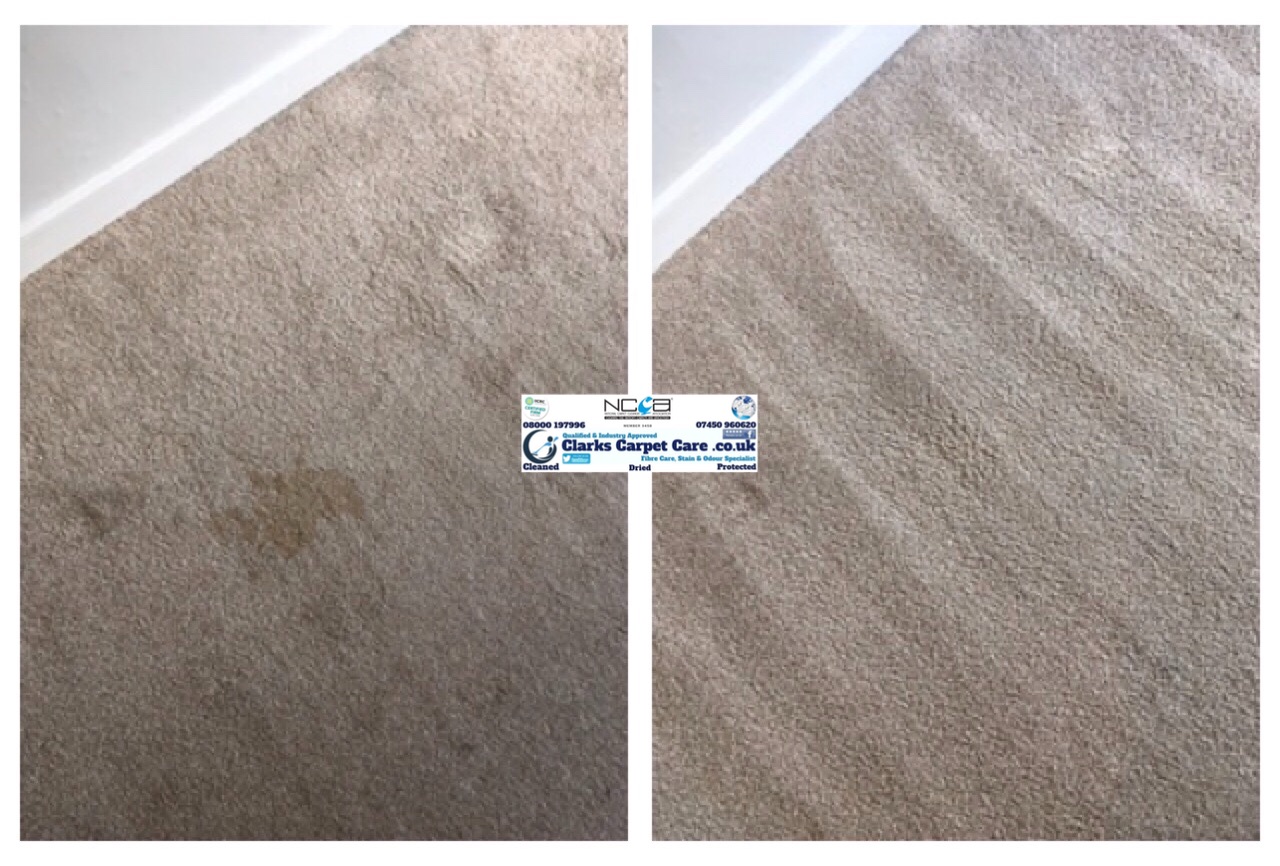
Professional cleaning can also help with marks, odours and flattened areas caused by heavy foot traffic. It is a practical finishing touch after a busy move.
Final Thoughts
Protecting carpets during a home move does not need to be complicated. With carpet protection film, clean dust sheets, careful furniture handling and a little planning, you can reduce the risk of stains, wear and damage.
Moving day can be hectic, but taking simple steps before the first box is carried through the door can save time and effort later. Whether you are leaving a property or settling into a new one, looking after your carpets helps keep the home clean, fresh and ready for the next chapter.