







 Written by Richard Clark on 15 Jan 2026
 Why Carpets Feel Flat and Lifeless — And How Professional Cleaning May Restore Them
Few things make a room feel tired faster than a carpet that looks flat, dull, and lifeless. Even when carpets appear clean, they can lose their bounce, softness, and visual appeal over time. This problem is extremely common in both homes and rental properties and is often mistaken for “old age” when, in reality, it is caused by what can sometimes be preventable factors.
At Clarks Carpet Care, we regularly restore carpets that homeowners believe are beyond saving. Understanding why carpets lose their vitality — and how professional cleaning reverses the damage — can dramatically extend their lifespan and improve the comfort of your home.
What Does a Flat, Lifeless Carpet Actually Mean?
A flat carpet isn’t necessarily dirty. Instead, it usually means the fibres have become compressed, coated, or damaged.
Flat carpets typically show:
- Crushed pile
- Loss of softness underfoot
- Dull or grey appearance
- Visible walkways
- Uneven texture
- Reduced insulation and comfort
These changes affect not only appearance but also how the carpet performs day to day.
The Main Causes of Flat and Lifeless Carpets
Constant Foot Traffic
Repeated walking compresses fibres in the same areas — especially hallways, stairs, and living room walkways. Over time, fibres lose their ability to spring back, particularly when dirt is present.
Embedded Dirt and Grit
Dirt particles act like microscopic blades. As people walk across the carpet, grit grinds against fibres, slowly cutting and weakening them. This causes:
- Permanent flattening
- Fibre breakage
- Loss of elasticity
Vacuuming removes surface debris but not the compacted grit deep within the pile.
Residue from DIY Cleaning Products
Many supermarket carpet cleaners leave sticky residues behind. These residues:
- Coat fibres
- Attract more dirt
- Cause fibres to clump together
- Create a dull, heavy texture
This build-up is one of the biggest reasons carpets lose their natural bounce.
Moisture and Over-Wetting
Over-wetting from DIY machines or spills weakens fibre structure. When carpets dry slowly, fibres can harden in a flattened position, especially if walked on while damp.
Heavy Furniture Compression
Furniture left in the same position for long periods compresses fibres permanently. Without regular movement or professional pile lifting, these dents become long-lasting.
Why Flat Carpets Feel Less Comfortable
A flattened carpet doesn’t just look worse — it performs worse.
Compressed fibres:
- Provide less insulation
- Reduce sound absorption
- Feel harder underfoot
- Trap odours more easily
- Wear faster
This is why rooms with flat carpets often feel colder, noisier, and less inviting.
Why Vacuuming Alone Can’t Fix the Problem
Vacuuming is essential for maintenance, but it cannot:
- Remove compacted dirt
- Break down residue
- Lift crushed fibres
- Restore elasticity
In some cases, aggressive vacuuming with worn brushes can even worsen fibre damage.
How Professional Carpet Cleaning Restores Life and Bounce
At Clarks Carpet Care, our restoration process targets the causes of flattening — not just the symptoms.
Deep Dirt Removal
Using professional hot water extraction, we remove:
- Embedded grit
- Oils and residues
- Compact dirt layers
Once this abrasive material is gone, fibres are free to recover.
Fibre-Safe Cleaning Solutions
Our eco-friendly solutions dissolve residue without damaging fibres, allowing them to separate naturally rather than clumping together.
Pile Lifting and Grooming
Professional grooming lifts fibres back into an upright position, restoring:
- Texture
- Light reflection
- Visual depth
- Softness
This step alone can make a carpet look years younger.
Controlled Moisture and Rapid Drying
Our equipment removes most moisture during cleaning, preventing fibres from drying in a flattened state.
Carpet Types Most Prone to Flattening
Some carpets flatten faster than others:
- High-pile carpets – luxurious but prone to compression
- Loop pile carpets – show wear paths easily
- Polyester carpets – soften quickly but lose resilience
- Low-quality synthetics – break down faster under grit
Professional care is especially important for these carpet types.
How Often Should You Restore Carpet Pile?
For best results:
- Every 6–12 months in average homes
- Every 3–6 months in high-traffic areas
- After tenancy changes in rental properties
Regular professional restoration prevents permanent fibre damage.
How to Prevent Carpets Becoming Flat Again
- Vacuum frequently with proper suction
- Use entrance mats to reduce grit
- Remove shoes indoors
- Rotate furniture regularly
- Avoid DIY shampoo products
- Schedule professional cleaning annually
- Use carpet protectors where appropriate
Small habits make a big difference.
When Flatness Becomes Permanent
If fibres are physically broken rather than compressed, restoration may be limited. Signs include:
- Bald patches
- Fraying
- Hard, brittle fibres
- Uneven backing
At this stage, replacement may be more practical than cleaning.
Conclusion – Bringing Comfort and Life Back to Your Carpets
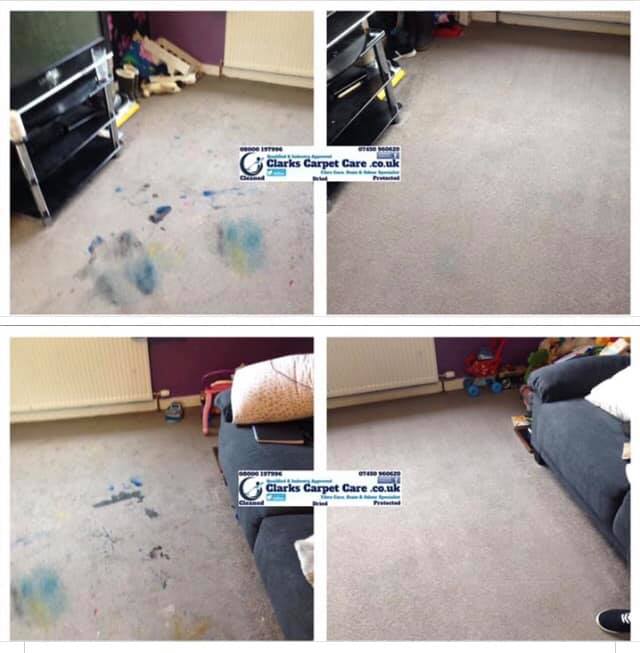
Flat, lifeless carpets are rarely a sign that replacement is immediately necessary. In most cases, the issue is caused by embedded dirt, residue, and fibre compression — all of which professional carpet cleaning can address.
With expert restoration from Clarks Carpet Care, carpets regain their softness, bounce, and visual appeal, transforming the comfort and appearance of your home. Regular professional care not only restores carpets but significantly extends their usable lifespan.
A carpet that feels alive again changes how a room feels — and how you feel in it.