







 Written by Richard Clark on 22 Jan 2026
 How Indoor Humidity Levels Affect Carpet Condition and Cleanliness
Indoor humidity plays a far greater role in carpet condition than most homeowners realise. While temperature often gets the most attention, moisture levels inside the home quietly influence how carpets wear, smell, and age over time. When humidity is too high or too low, carpets can suffer a range of problems — from mould growth and odours to fibre damage and increased allergen levels.
At Clarks Carpet Care, we regularly see carpets affected by improper humidity control, particularly in older properties, ground-floor flats, and homes with poor ventilation. This blog explains how indoor humidity impacts carpets, the warning signs to look out for, and how to maintain the ideal environment for clean, healthy flooring.
What Is Indoor Humidity?
Humidity refers to the amount of moisture present in the air. Indoors, humidity levels fluctuate daily due to:
- Cooking
- Showering and bathing
- Drying clothes indoors
- Heating systems
- Outdoor weather conditions
- Poor ventilation
The ideal indoor humidity range for both health and carpet care is typically 40–55%.
Why Carpets Are Sensitive to Humidity
Carpets are porous by nature. Their fibres, backing, and underlay all absorb and release moisture from the surrounding air.
When humidity is unbalanced, carpets can:
- Absorb excess moisture
- Dry out and become brittle
- Trap dampness beneath the surface
- Create ideal conditions for bacteria and mould
Because carpets cover large surface areas, they react quickly to environmental changes.
Problems Caused by High Indoor Humidity
Mould and Mildew Growth
High humidity creates the perfect conditions for mould to thrive, especially if carpets have previously been over-wet or affected by spills.
Signs include:
- Musty smells
- Dark patches
- Persistent dampness
- Allergy symptoms worsening indoors
Once mould develops beneath the carpet, professional intervention is essential.
Persistent Odours
Moist environments allow bacteria to multiply rapidly. As bacteria break down organic matter in carpets, they release unpleasant smells that linger and intensify over time.
These odours often return quickly after surface cleaning because the underlying moisture problem remains unresolved.
Increased Dust Mite Activity
Dust mites thrive in warm, humid environments. Elevated humidity levels significantly increase dust mite populations, worsening allergy and asthma symptoms.
Slow Drying After Cleaning
In humid conditions, carpets take much longer to dry after spills or cleaning. Extended drying times increase the risk of:
- Mould growth
- Fibre distortion
- Colour migration
- Underlay contamination
Problems Caused by Low Indoor Humidity
While high humidity is damaging, overly dry indoor air can also affect carpets negatively.
Brittle Fibres and Increased Wear
Low humidity dries out carpet fibres, making them:
- Stiffer
- More prone to breakage
- Less resilient under foot traffic
This leads to faster fibre wear and permanent flattening.
Static Electricity
Dry air increases static build-up in carpets, causing:
- Small electric shocks
- Attraction of dust and hair
- Discomfort underfoot
Static also makes carpets appear dirtier more quickly.
Reduced Comfort and Insulation
Dry fibres lose their softness and insulating properties, making carpets feel harder and less comfortable.
Seasonal Humidity Challenges in the UK
Winter
- Increased indoor heating dries the air
- Condensation forms on cold surfaces
- Poor ventilation traps moisture
This combination can cause both dryness and damp pockets in different areas of the home.
Summer
- Warm air holds more moisture
- Open windows allow humid air inside
- Drying clothes indoors increases moisture
Summer humidity often leads to odours and bacterial growth in carpets.
How Humidity Affects Carpet Cleanliness
Humidity directly influences how clean carpets stay between professional cleans.
High humidity:
- Encourages bacteria and mould
- Traps odours
- Causes faster re-soiling
Low humidity:
- Increases dust circulation
- Makes fibres fragile
- Leads to accelerated wear
Maintaining balanced humidity helps carpets stay cleaner for longer.
How Professional Carpet Cleaning Helps Manage Humidity Effects
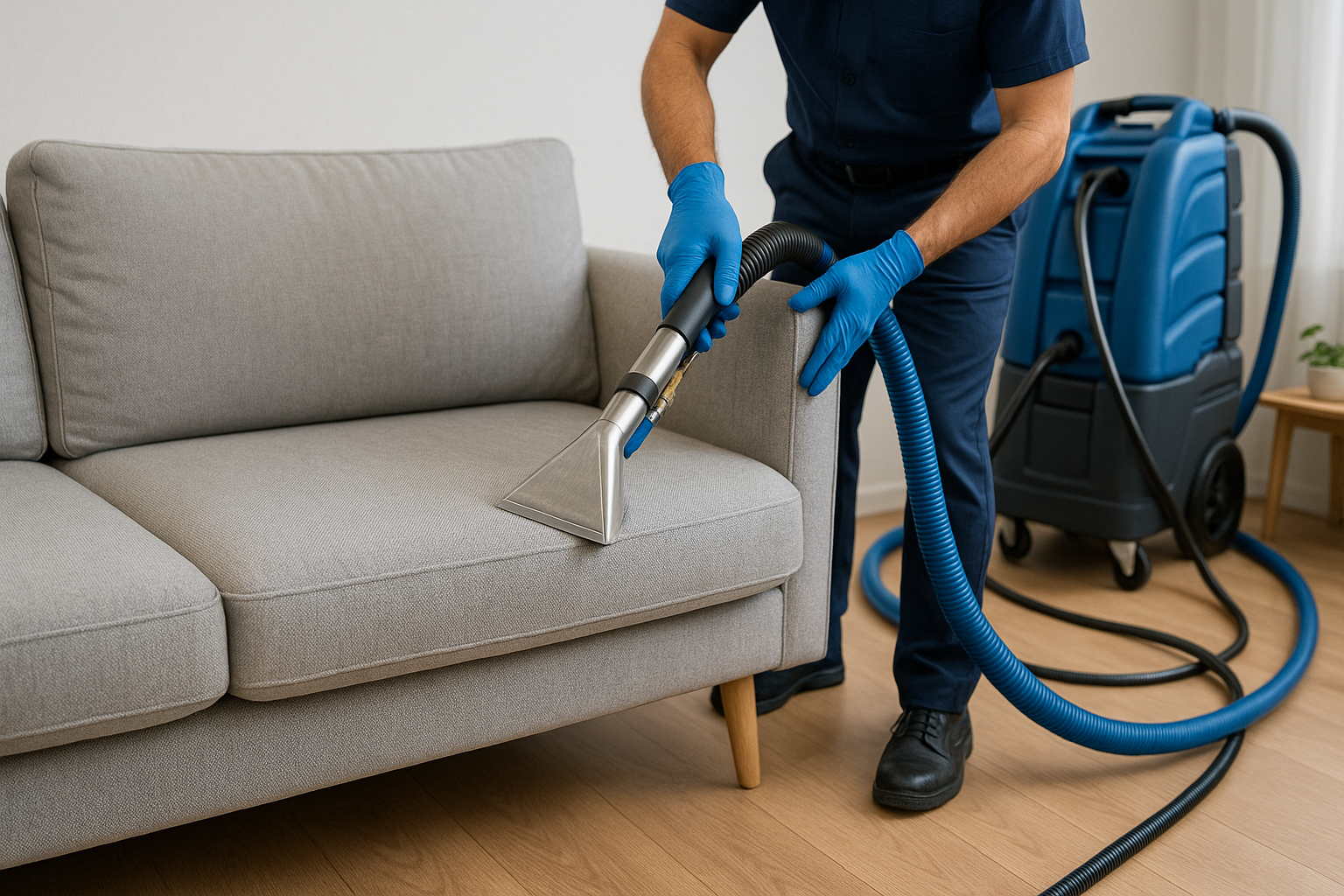
At Clarks Carpet Care, our professional cleaning process helps counteract humidity-related damage by:
- Removing moisture-trapping contaminants
- Eliminating bacteria and mould spores
- Extracting excess water efficiently
- Reducing odour-causing residues
- Restoring fibre condition
We also advise customers on drying times and ventilation to prevent moisture-related issues after cleaning.
How to Control Indoor Humidity for Healthier Carpets
Improve Ventilation
- Open windows daily when weather allows
- Use extractor fans in kitchens and bathrooms
Use Dehumidifiers When Needed
- Particularly in basements and ground-floor rooms
- Helps prevent mould and odours
Avoid Drying Clothes on Carpets
- Moisture released into the air quickly absorbs into fibres
Maintain Heating Consistently
- Sudden temperature changes increase condensation
Monitor Humidity Levels
- Use a hygrometer to keep humidity between 40–55%
How Often Should Carpets Be Cleaned in High-Humidity Homes?
Homes prone to damp or poor ventilation should schedule:
- Professional cleaning every 3–6 months
- Immediate cleaning after leaks or flooding
- Additional odour or mould treatments if required
This prevents moisture-related damage from becoming permanent.
Conclusion – Balanced Humidity Protects Your Carpets and Your Home
Indoor humidity has a powerful influence on carpet cleanliness, comfort, and longevity. When moisture levels are too high or too low, carpets suffer — often silently — through mould growth, odours, fibre damage, and increased allergens.
By maintaining balanced humidity and scheduling regular professional cleaning with Clarks Carpet Care, homeowners protect their carpets from premature wear and hygiene issues. Clean carpets thrive in a stable environment, providing comfort, warmth, and freshness for years to come.
Managing humidity isn’t just good for your home — it’s essential for healthy carpets.