




 Written by Richard Clark on 1 Jul 2026
 Why Carpet Edges and Doorway Areas Often Show Damage First
When homeowners think about carpet wear, they often focus on large open areas such as living rooms or hallways. However, some of the first signs of damage frequently appear in much smaller locations, particularly around carpet edges, doorways and room transitions. These areas experience unique stresses that can cause them to deteriorate faster than other sections of the carpet.
At Clarks Carpet Care, we regularly see carpets where the centre of the room remains in relatively good condition, while doorway areas and edges show visible signs of wear. Understanding why these areas are vulnerable can help homeowners take preventative action and extend the lifespan of their carpets.
Why Doorways Experience More Wear Than Other Areas
Doorways act as natural transition points between rooms. Every person entering or leaving a space passes through the same narrow area, concentrating foot traffic into a relatively small section of carpet.
Unlike open rooms where movement is spread out, doorways repeatedly experience:
- Constant foot traffic
- Direction changes
- Weight concentration
- Dirt transfer between rooms
- Increased friction from footwear
This repeated activity places extra strain on carpet fibres and can cause wear to appear sooner than expected.
The Impact of Repetitive Foot Traffic
Every step applies pressure to carpet fibres. In doorway areas, thousands of footsteps are concentrated along the same path over the course of a year.
What Happens to Carpet Fibres?
As fibres are repeatedly compressed, they gradually begin to lose their resilience. This can result in:
- Flattened pile
- Reduced softness
- Visible traffic lanes
- Changes in texture
- A worn appearance
Over time, the difference between doorway areas and the rest of the room can become very noticeable.
Why People Turn and Pivot in Doorways
One of the biggest reasons doorway carpets wear faster is that people rarely walk in a perfectly straight line. When entering or leaving a room, individuals often pivot, turn, or shift their weight.
These movements increase friction between shoes and carpet fibres.
Additional Stress Created by Turning Movements
Turning motions can:
- Twist fibres
- Increase friction
- Accelerate fibre wear
- Cause fibres to flatten unevenly
- Create visible wear patches
This is particularly common in busy family homes where rooms are used frequently throughout the day.
Carpet Edges Face Unique Challenges
The edges of carpets experience different stresses from the central areas of a room.
Carpet edges often sit alongside:
- Skirting boards
- Door thresholds
- Hard flooring transitions
- Furniture edges
Because these areas are fixed boundaries, they can become vulnerable to lifting, fraying and dirt accumulation.
Dirt Accumulates Around Carpet Edges
While many homeowners vacuum the centre of a room regularly, carpet edges are often overlooked. Dust and dirt naturally settle along skirting boards and room boundaries.
Over time, this can result in:
- Dark lines along edges
- Dust build-up
- Embedded debris
- Reduced carpet appearance
Regular attention to edges helps prevent these issues from becoming permanent.
Doorways Collect Dirt from Multiple Rooms
Doorways act as connection points between different spaces. Dirt from one room is often transferred into another through foot traffic.
For example:
- Kitchen debris may be carried into living rooms
- Garden dirt may spread into hallways
- Dust from upstairs may travel through landings and doorways
As a result, doorway carpets often experience heavier dirt accumulation than many other parts of the home.
Moisture and Doorway Damage
Doorways located near entrances are particularly vulnerable to moisture.
Common Sources of Moisture Include
- Wet shoes
- Rainwater
- Umbrellas
- Pet paws
- Outdoor debris
When moisture combines with dirt, it can create stubborn staining and increase wear on carpet fibres.
If left untreated, damp areas may also contribute to unpleasant odours.
How Thresholds Influence Carpet Wear
Threshold strips help secure carpets where rooms meet. However, if they become damaged or loose, they can contribute to carpet deterioration.
Potential problems include:
- Carpet movement
- Frayed edges
- Loose fibres
- Uneven pressure points
Regularly checking doorway thresholds can help identify problems before significant damage occurs.
The Importance of Regular Vacuuming in Doorway Areas
Because doorways collect more dirt and experience greater traffic, they often require more frequent vacuuming than other areas of the home.
Benefits of Frequent Vacuuming
Regular vacuuming helps:
- Remove abrasive grit
- Prevent dirt build-up
- Reduce fibre damage
- Improve appearance
- Extend carpet lifespan
Paying extra attention to doorway areas can significantly reduce long-term wear.
How Professional Carpet Cleaning Helps
Professional carpet cleaning plays a key role in maintaining doorway areas and carpet edges.
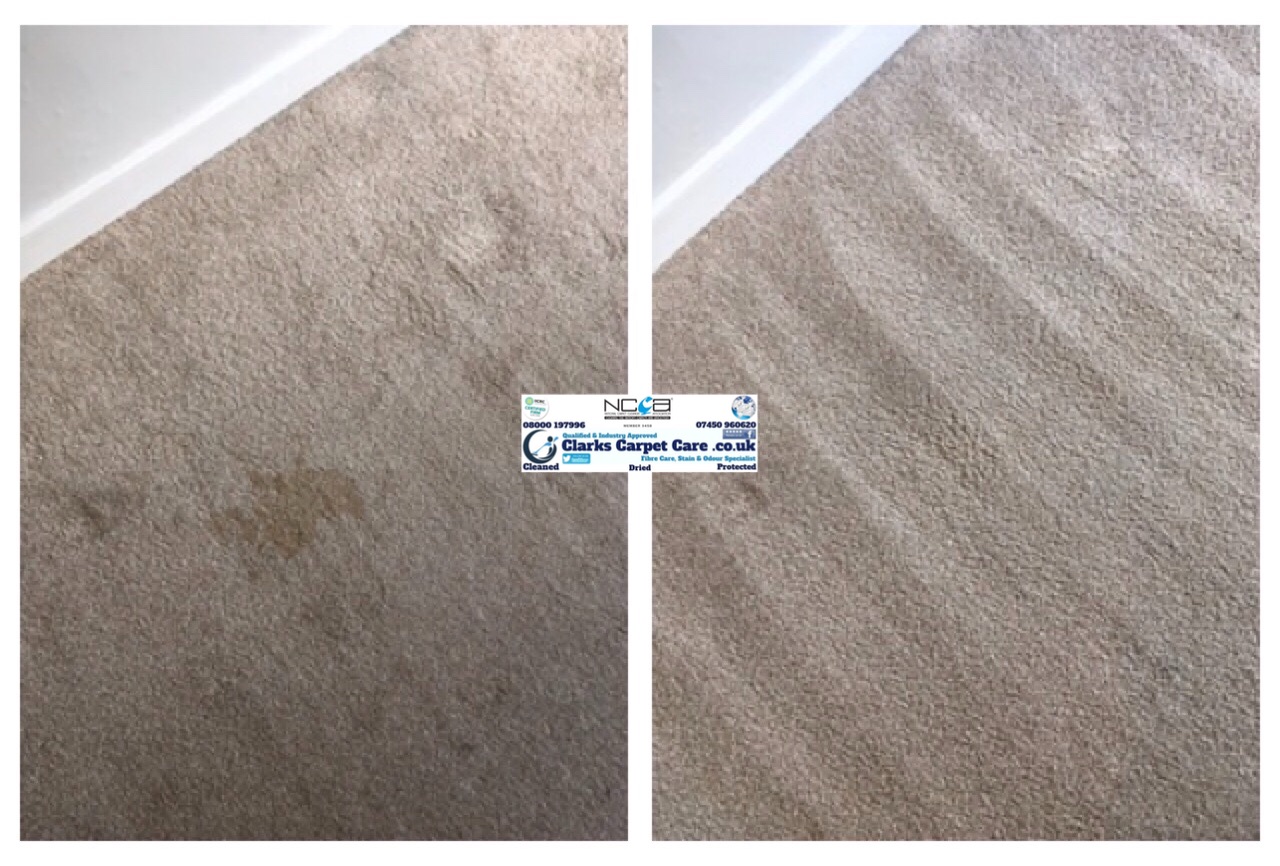
At Clarks Carpet Care, our deep cleaning process helps:
- Remove embedded dirt
- Restore flattened fibres
- Improve texture
- Refresh appearance
- Reduce traffic marks
Professional cleaning is especially valuable in areas where household cleaning alone cannot fully remove accumulated debris.
Preventing Damage Before It Starts
Preventative care is often the most effective way to protect vulnerable carpet areas.
Simple Preventative Measures
Homeowners can reduce wear by:
- Using entrance mats
- Vacuuming frequently
- Removing shoes indoors
- Cleaning spills promptly
- Protecting high-traffic areas
- Scheduling regular professional cleaning
Small changes in daily habits can make a significant difference over time.
Why Early Action Matters
Once fibres become severely damaged or edges begin to fray, restoration becomes more difficult. Identifying early signs of wear allows homeowners to take corrective action before major repairs or replacement become necessary.
Regular inspections of doorways and carpet edges can help spot:
- Flattening fibres
- Dark traffic marks
- Loose edges
- Threshold problems
- Areas of concentrated wear
Addressing these issues early often saves money and prolongs carpet life.
Conclusion – Protecting the Most Vulnerable Areas of Your Carpet
Doorways and carpet edges often show signs of wear first because they experience concentrated foot traffic, friction, dirt transfer and moisture exposure. Although these areas represent only a small portion of the carpet, they have a major influence on how clean and well-maintained the entire room appears.
With regular maintenance and professional carpet cleaning from Clarks Carpet Care, homeowners can protect these vulnerable sections, reduce premature wear and help carpets remain attractive for years to come. Paying attention to the smallest areas often has the biggest impact on the overall condition of your flooring