




 Written by Richard Clark on 31 May 2026
 Why Carpet Edges Collect More Dust Than You Think
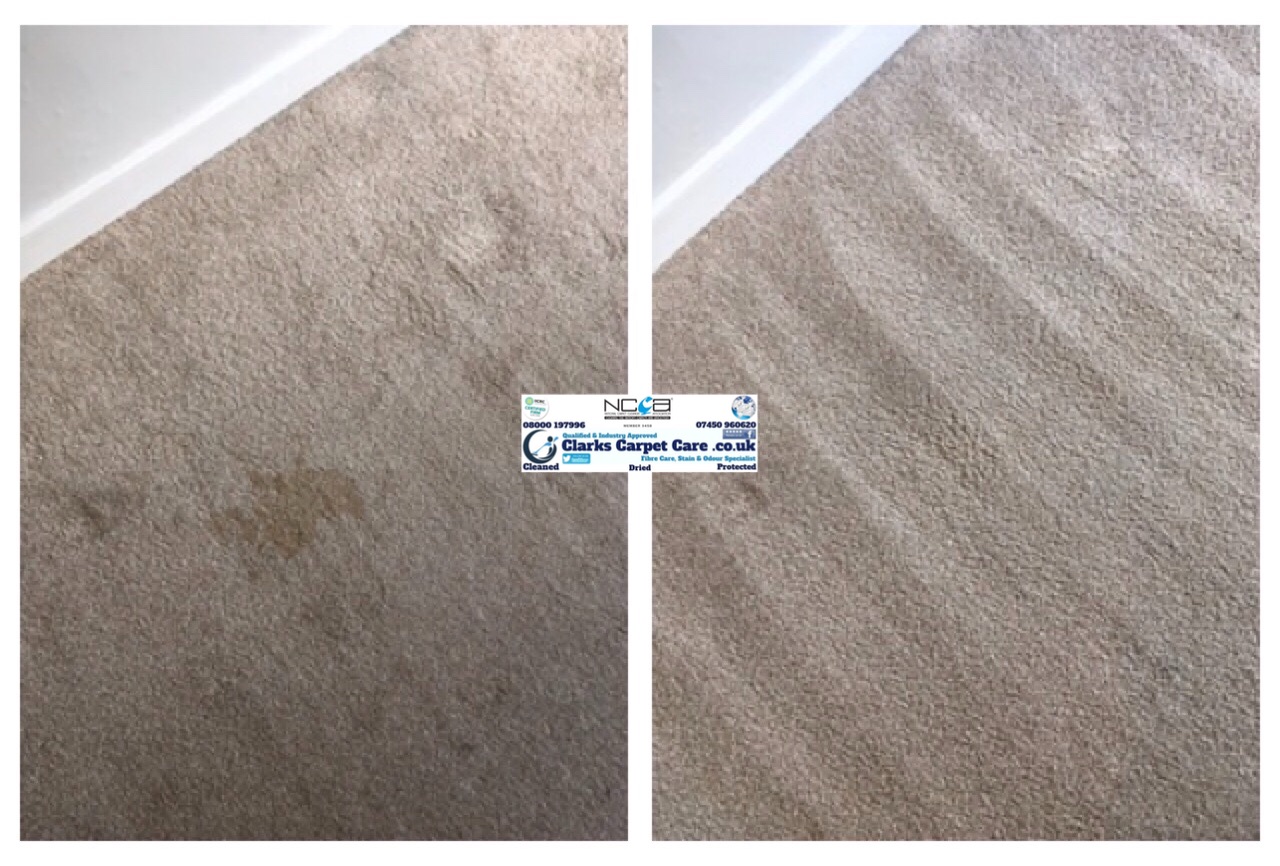
Almost every home and business I visit negates vacuuming the carpet edges and skirting boards. Many people focus their carpet cleaning efforts on the centre of the room where most foot traffic occurs, but the edges of carpets often hide a surprising amount of dust and debris. Areas along skirting boards, corners, beneath radiators, and around furniture can gradually collect dirt over time without being noticed. Although these sections may seem less important because they are walked on less frequently, they can actually become major build-up zones for fine dust, allergens, pet hair, and hidden particles.
Carpet edges are commonly overlooked during regular cleaning routines, allowing debris to settle deep into the fibres. Over time, this can affect both the appearance and cleanliness of the entire room. Understanding why carpet edges attract so much dust can help homeowners improve their cleaning habits and maintain a fresher indoor environment.
Why Dust Builds Up Along Carpet Edges
Dust naturally moves throughout a property due to airflow, heating systems, movement between rooms, and everyday activity. As air circulates, fine particles eventually settle in quieter areas where there is less disturbance. Carpet edges are ideal collection points because they experience very little movement compared to central walkways.
While the middle of the carpet is regularly disturbed by footsteps and vacuuming, the edges often remain untouched for long periods. Dust, skin particles, fibres, pollen, pet hair, and outdoor debris gradually settle into these areas and become trapped within the carpet pile.
Static electricity can also contribute to dust accumulation. Certain carpet fibres attract airborne particles, especially in dry indoor environments where static build-up becomes more noticeable.
Furniture Creates Hidden Dust Zones
Large furniture items such as sofas, cabinets, beds, and wardrobes often create hidden sections of carpet that are rarely cleaned thoroughly. These areas may remain untouched for months or even years, allowing layers of dust and dirt to collect underneath.
Because airflow beneath furniture is limited, particles settle easily and remain trapped within the carpet fibres. Moving furniture during deep cleaning often reveals how much dust has accumulated in these hidden areas.
Dust beneath furniture can eventually spread back into the room through airflow, walking movement, or vacuuming nearby sections of carpet.
Skirting Boards and Corners Trap Debris
The edges where carpets meet skirting boards frequently collect fine dirt and fluff. Small gaps around the perimeter of the room allow dust to gather where vacuum cleaners sometimes struggle to reach properly.
Corners are particularly vulnerable because airflow naturally pushes particles into these tighter spaces. Pet hair, crumbs, fibres, and fine dust can slowly build up without being immediately visible.
If ignored for long periods, these areas may develop darker discolouration or visible dust lines along the edges of the carpet.
Heating Systems Contribute to Dust Movement
Radiators, vents, and heating systems constantly move warm air throughout a room. As air circulates, it carries dust particles which eventually settle around the outer edges of the space.
Warm air rising from radiators often creates airflow patterns that push dust towards walls and corners. This explains why carpets near heating systems sometimes collect visible dust more quickly than other areas.
Properties with older heating systems or limited ventilation may experience even greater dust movement indoors.
Why Edge Dust Affects Indoor Air Quality
Although edge dust may seem harmless, it can contribute to poorer indoor air quality over time. Dust trapped within carpets often contains allergens such as pollen, pet dander, dust mites, and microscopic debris.
Whenever people walk across the carpet or move furniture, some of these particles can become airborne again. This may affect individuals who suffer from allergies, asthma, or respiratory sensitivities.
Regularly cleaning overlooked carpet edges helps reduce hidden allergen build-up and supports a cleaner living environment overall.
Vacuuming Often Misses Carpet Edges
Standard vacuuming routines frequently focus on visible open areas while neglecting the outer edges of rooms. Many vacuum cleaners struggle to fully reach corners or tight spaces near skirting boards, particularly if furniture blocks access.
Using edge attachments and crevice tools can help remove debris more effectively from these difficult areas. Slower, more detailed vacuuming along the room perimeter often lifts significantly more dust than expected.
For heavily affected carpets, professional cleaning may be required to fully extract deep-set debris trapped around the edges.
Professional Carpet Cleaning Reaches Hidden Dirt
Professional carpet cleaning helps target the dirt and dust that regular vacuuming often misses. Deep extraction methods can remove embedded particles from corners, edges, and beneath furniture while refreshing the overall appearance of the carpet.
Professional cleaning also helps improve airflow within carpet fibres by removing the build-up that causes carpets to appear dull or dusty. In many cases, homeowners are surprised by how much hidden dirt is removed from areas that previously looked clean on the surface.
Preventing Dust Build-Up Along Carpet Edges
Reducing dust accumulation around carpet edges starts with consistent cleaning habits. Vacuuming along skirting boards, moving smaller furniture regularly, and using proper vacuum attachments all help minimise hidden build-up.
Keeping indoor air filters clean and reducing excess clutter can also improve airflow and limit the amount of dust settling throughout the property.
Entrance mats near doorways help reduce outdoor debris entering the home, while regular professional carpet cleaning keeps deeper dust accumulation under control.
Keeping Every Part of the Carpet Clean
While carpet edges may not receive as much attention as central walkways, they play an important role in the overall cleanliness of a room. Dust and debris trapped along the edges can gradually affect air quality, appearance, and hygiene if ignored for too long.
By paying closer attention to corners, skirting boards, and hidden areas beneath furniture, homeowners can maintain cleaner carpets and create a fresher indoor environment throughout the property.