







 Written by Richard Clark on 18 Jan 2026
 When Is It Time to Replace Your Carpet? Signs Cleaning Can’t Fix
Carpets are one of the biggest contributors to your home’s comfort, warmth, and overall aesthetic. A high-quality carpet can last many years if properly maintained — especially with regular professional cleaning. However, even the best carpets eventually reach a point where cleaning alone is not enough to restore appearance, hygiene, or structural integrity.
At Clarks Carpet Care, we specialise in deep cleaning and restoring carpets, but we are also honest with customers when a carpet has reached the stage where replacement is the more practical and cost-effective option. This in-depth guide explains the key signs that your carpet may need replacing, the damage that cannot be fixed through cleaning, and how to prolong the life of your carpets moving forward.
1. Permanent Stains That Will Not Lift
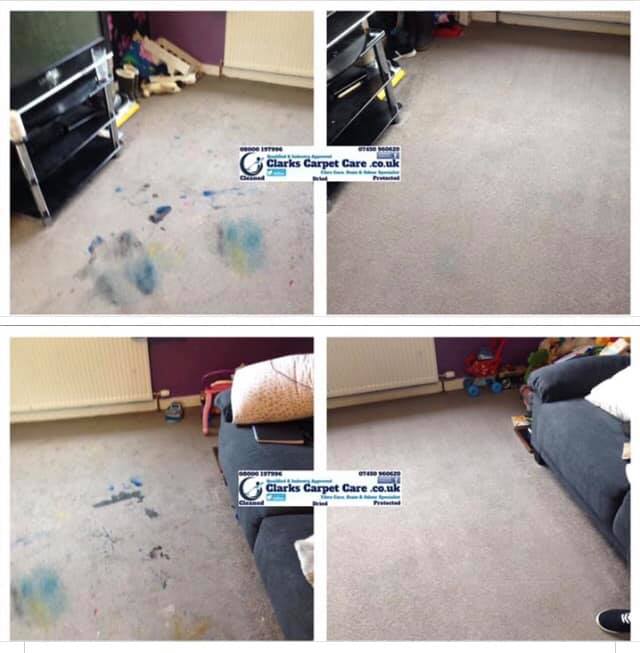
Some stains can be removed entirely with professional cleaning, but others chemically alter the fibres or dye structure of the carpet, making them impossible to restore.
Stains that often cause permanent damage include:
- Bleach spills
- Strong dyes (hair dye, ink, paint)
- Pet urine left for long periods
- Rust
- Certain acids
- Cigarette burns
- Oil-based stains absorbed over months or years
Even after advanced stain treatment, these types of marks may only lighten slightly — or not at all.
If a stain is darker or lighter than the surrounding fibres, feels hardened, or has altered the texture, cleaning will not fully resolve it.
2. Carpet Has a Persistent, Deep Odour
Odours often signal that contaminants have penetrated beyond the surface into the carpet backing or underlay. While professional steam cleaning eliminates many smells, some odours are too deeply embedded to remove entirely.
Odours that indicate replacement may be necessary include:
- Pet urine that has soaked into the underlay
- Long-term cigarette smoke
- Damp, mould, or mildew smells
- Rotten food or organic decay
- Old spills that were never professionally cleaned
If odours return within days or weeks of cleaning, it is likely the underlay is contaminated — and in these cases, replacement is the only long-term solution.
3. Visible Wear, Bald Spots, and Fibre Damage
Over time, carpet fibres break down due to foot traffic, abrasion, UV exposure, and general use. Once fibres physically deteriorate, no amount of cleaning can rebuild them.
Signs of irreversible wear include:
- Bald patches
- Matted or crushed fibres that won’t lift
- Worn pathways in hallways and stairs
- Tufts pulling out
- Areas that appear thin or threadbare
Cleaning may improve hygiene and remove surface dirt, but it cannot reverse structural wear.
4. Carpet Ripples, Wrinkles, or Buckling
Carpet should lie flat and secure across the floor. When ripples or bubbles appear, this often means the carpet has stretched, loosened, or become detached from its grippers.
Common causes include:
- Age
- Humidity
- Poor installation
- Over-wetting from DIY carpet cleaning
- Heavy furniture dragging
While stretching can sometimes be repaired, carpets with severe or recurring rippling often indicate weakened backing — meaning replacement is the most viable option.
5. Mould or Mildew Growth
Mould is a serious health concern, and once it takes hold beneath a carpet, it is very difficult to eliminate without replacing the affected area entirely.
Signs include:
- Musty odours
- Black, green, or white patches
- Allergy symptoms that worsen indoors
- Dampness or moisture underfoot
- Carpet that feels wet long after a spill
If mould has penetrated the underlay or subfloor, professional cleaning alone cannot solve the issue.
6. Carpet Feels Sticky, Crunchy, or Rough After Cleaning
This is often the result of repeated use of:
- Cheap carpet shampoos
- Powder deodorisers
- DIY cleaning machines
- Improperly rinsed detergents
These leave behind residues that permanently alter fibre texture. Even with professional neutralising treatments, some residue damage is impossible to reverse, especially if it has built up over years.
7. Fading and Sun Damage
UV light from windows can bleach carpet fibres over time. This fading is not just cosmetic — the sun actually destroys dye molecules and weakens fibres structurally.
Sun damage appears as:
- Light patches near windows
- Uneven colour between covered and exposed areas
- Brittle or weakened fibres
Cleaning cannot restore colour that has been bleached out. In cases of extreme fading, replacement is the only option.
8. Age of the Carpet
Most carpets have a typical lifespan depending on material and usage:
| Carpet Type | Average Lifespan |
| Budget synthetic | 3–5 years |
| Standard residential | 5–10 years |
| Premium wool | 10–20 years |
| Commercial-grade | 10–15 years |
If a carpet is near or beyond its expected lifespan, even the best cleaning will not fully restore its appearance or performance.
9. Allergies Are Getting Worse
Old carpets accumulate decades’ worth of:
- Dust mites
- Pet dander
- Pollen
- Bacteria
- Mould spores
- Embedded dirt
Even deep cleaning cannot completely remove contaminants that have settled into old backing or padding.
If household members experience:
- Itchy eyes
- Sneezing
- Asthma symptoms
- Increased dust
…it may be a sign that the carpet’s age and contamination level warrant replacement.
10. You’re Preparing to Sell or Let a Property
Sometimes replacement isn’t about damage — it’s about presentation and value.
New carpets:
- Instantly refresh a property
- Appeal strongly to buyers and tenants
- Help achieve higher rental or sale prices
- Modernise older interiors
If your carpets are more than a decade old or showing moderate wear, replacement ahead of marketing the property may be worthwhile.
Professional Cleaning vs Replacement: How to Decide
Here is a simple checklist:
Professional Cleaning Will Help If:
- Stains are surface-level
- Odours come from pets, spills, or bacteria (not underlay damage)
- The carpet is dull or matted but not threadbare
- Allergies are mild and occasional
- The carpet is within its lifespan
Replacement Is Advisable If:
- Stains are permanent, widespread, or chemical
- Odours return even after cleaning
- Carpets have bald patches or structural wear
- Mould is present
- Carpet is rippled, stretched, or badly fitted
- Allergies worsen noticeably
- The carpet is 10+ years old (depending on type)
At Clarks Carpet Care, we always carry out a full assessment before cleaning to ensure you choose the most cost-effective and sensible option.
How to Extend the Life of Your Carpet Before Replacement Becomes Necessary
✔ Regular vacuuming (3–4 times per week)
Prevents abrasive particles from wearing fibres.
✔ Professional cleaning every 6–12 months
Removes deep dirt and bacteria.
✔ Prompt spill treatment
Stops stains from setting permanently.
✔ Carpet protector application
Helps prevent absorption of spills and dirt.
✔ Use doormats and remove shoes indoors
Reduces dirt by up to 80%.
✔ Rotate furniture
Prevents permanent indentations and wear paths.
With proper care, most carpets last years longer — saving you significant replacement costs.
When Cleaning Isn’t Enough, Replacement May Be the Wise Choice
Carpet cleaning is incredibly effective for restoring freshness, removing stains, eliminating odours, and prolonging lifespan — but there are limits to what cleaning can achieve. When carpets are severely worn, stained, damaged, or contaminated, replacement becomes the healthier, more practical, and more cost-effective option.
At Clarks Carpet Care, we are committed to honesty. Nothing is ever 100 percent certain, when it comes to understanding what’s possible or impossible, given accurate information we’ll discuss with you the probabilities of success, and thus allow you to make an informed decision, if your carpet can be saved through cleaning or repair we’ll restore it beautifully. If not, we’ll help you understand your options clearly so you can make the best decision for your home, health, and budget.