







 Written by Richard Clark on 10 Dec 2025
 The Hidden Bacteria Beneath Your Carpets: What Professional Cleaning Reveals
Carpets bring warmth, comfort, and style to a home — but beneath the surface lies a world most homeowners never see. Even carpets that look clean can harbour vast amounts of bacteria, allergens, and microscopic debris that build up over time. While regular vacuuming helps remove visible dirt, it barely touches the deeper contaminants embedded within the fibres and underlay. For households across Edinburgh, understanding what collects inside carpets — and how professional cleaning tackles it — is essential for maintaining a truly healthy home.
At Clarks Carpet Care, we specialise in uncovering and eliminating these hidden pollutants. What we find during deep cleans often surprises homeowners, but it also highlights why professional carpet care is so important.
Why Carpets Are a Magnet for Bacteria
Carpets function like giant filters. With every step, the fibres trap dirt, dust, hair, skin flakes, pollen, food particles, and anything else brought in from outdoors. Over time, this trapped material creates the perfect breeding ground for bacteria and microorganisms.
Common sources of carpet bacteria include:
- Food crumbs dropped while eating
- Pet accidents, saliva, and fur
- Foot traffic carrying dirt from pavements, public transport, and workspaces
- Humidity that encourages mould spores to multiply
- Sweat and body oils from sitting or lying on carpets
- Spills that aren’t fully cleaned or dried
Even a well-maintained home accumulates these contaminants gradually. What makes carpets particularly risky is that bacteria and allergens build up in layers, deep inside the fibres, where ordinary cleaning equipment cannot reach.
The Most Common Bacteria Found in Carpets
Professional cleaning often reveals a wide variety of microbial activity. While not all bacteria are harmful, many can trigger allergies, odours, and illnesses. Some of the most commonly found bacteria in carpets include:
1. Staphylococcus aureus
Often brought in on shoes or pet paws, this bacteria thrives in warm, fibrous environments. It is known to cause skin irritations and infections.
2. Escherichia coli (E. coli)
Most homeowners assume E. coli is confined to kitchens and bathrooms, but it can easily transfer to carpets through contaminated footwear or pet accidents.
3. Salmonella
Spread via outdoor dirt or animal waste, Salmonella can survive for weeks in carpet fibres, especially in damp conditions.
4. Campylobacter
This bacteria is more active in colder months, thriving in cosy indoor environments. It is linked to gastrointestinal illness, particularly in children.
5. Dust mites
Not bacteria, but significant contributors to allergies. Dust mites feed on dead skin cells and produce waste particles that trigger respiratory symptoms.
Professional-grade steam cleaning effectively kills and removes these microorganisms, dramatically improving hygiene.
How Bacteria Affects Your Health
The presence of bacteria in carpets doesn’t always cause immediate symptoms, but over time it can impact your wellbeing, especially for children, allergy sufferers, and people with asthma.
Carpet bacteria can lead to:
- Increased coughing, sneezing, and throat irritation
- Persistent allergies or worsening asthma symptoms
- Skin rashes or itching
- Headaches caused by poor indoor air quality
- Unpleasant odours from microbial growth
Young children are most at risk because they play close to the floor and place toys on the carpet before touching their faces or mouths.
Why Vacuuming Isn’t Enough
Vacuum cleaners remove surface-level dust and debris, but the majority of harmful particles settle deep within the pile — especially in thick or plush carpets. Household vacuums lack the suction power to remove embedded bacteria or residues, and some can even blow allergens back into the air.
Bacteria cling to moisture, oils, and organic material that vacuums cannot break down. Over time, this build-up becomes compacted, forming a dense layer that traps odours and contaminants.
Only professional cleaning using bespoke treatments and procedures can break through these layers effectively.
What Professional Cleaning Reveals
During professional deep cleaning, it is common to uncover:
- Mud and grit embedded far below the visible surface
- Sticky residues from spills or DIY cleaning products
- Pet hair compacted into the carpet backing
- Dust mites and their waste
- Mould spores hidden beneath damp patches
- Bacteria colonies growing within fibres that look “clean” on the surface
The waste water extracted during cleaning often appears dark grey or brown — a visual reminder of how much dirt carpets hold, even in tidy homes.
The Power of Hot Water Extraction
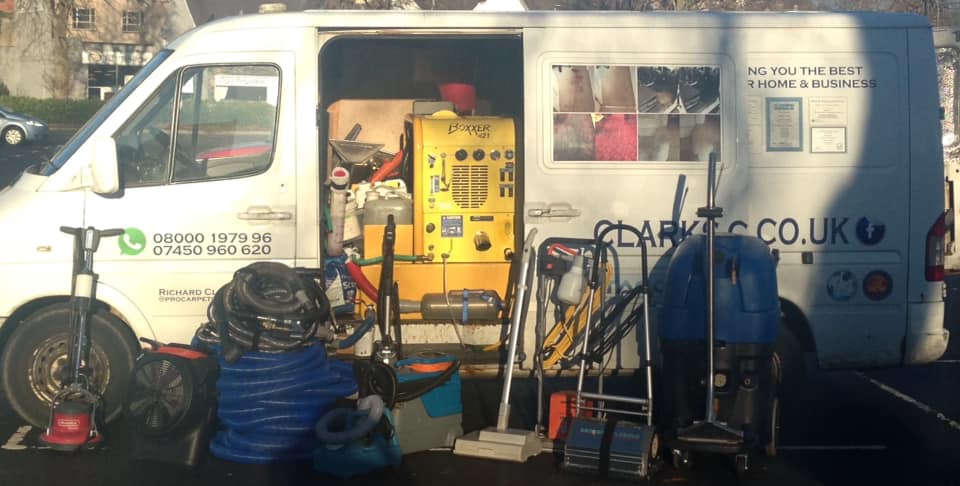
At Clarks Carpet Care, our hot water extraction process uses high temperatures and powerful suction to eliminate bacteria, allergens, and pollutants safely.
This method works by:
- Injecting hot water deep into the carpet fibres.
- Loosening dirt, bacteria, and oils that household cleaning cannot break down.
- Extracting the water along with contaminants using high-powered suction.
Because the water temperature is extremely high, bacteria and dust mites cannot survive the process. This leaves carpets not just visually cleaner, but genuinely sanitised.
Eco-Friendly Solutions Safely Target Bacteria
We use non-toxic, biodegradable cleaning agents that effectively kill bacteria without leaving harmful chemicals behind. Unlike harsh detergents, our eco-conscious formulas are safe for pets, children, and allergy sufferers.
They also prevent residue build-up, which is a common problem with cheap or DIY cleaning products that leave carpets sticky or prone to re-soiling.
Odour Removal: A Sign of Bacteria Neutralisation
Many carpet odours are a direct result of bacterial activity. When bacteria feed on organic matter — food, sweat, skin cells — they release unpleasant smells. Steam cleaning neutralises these bacteria, permanently removing odours instead of masking them with fragrances.
For pet odours, we use specialised enzyme treatments that break down the proteins causing smells, ensuring long-lasting freshness.
How Often Should You Deep Clean Your Carpets?
To maintain a healthy home environment, we recommend:
- Every 6 months for families with pets or children
- Every 12 months for low-traffic households
- Every 3–4 months for allergy sufferers
- Every 2–3 months for commercial spaces
Regular deep cleaning prevents bacterial build-up and prolongs carpet lifespan significantly.
Reducing Bacteria Between Professional Cleans
Simple habits can make a big difference:
- Remove shoes indoors
- Vacuum at least twice a week
- Clean spills immediately
- Use doormats to minimise outdoor dirt
- Keep humidity levels low to prevent mould growth
While these steps help, nothing replaces the thoroughness of professional deep cleaning.
A Cleaner Carpet Means a Healthier Home
Carpets are far more than decorative flooring — they’re part of your home’s air filtration system. When not maintained properly, they collect bacteria, allergens, and contaminants that affect the health of everyone in the home.
Professional carpet cleaning from Clarks Carpet Care eliminates these hidden dangers, restoring freshness, improving air quality, and extending your carpet’s life. With advanced equipment and eco-friendly products, we ensure your carpets look, smell, and feel cleaner — but more importantly, they are cleaner.