




 Written by Richard Clark on 24 May 2026
 How Everyday Foot Traffic Changes Carpet Texture
Carpets go through constant use every single day, especially in busy households and commercial properties. While carpets are built to handle regular activity, ongoing foot traffic gradually affects the texture, appearance, and overall condition of the fibres. Over time, areas that receive the most use can begin to feel flatter, rougher, and less comfortable underfoot compared to sections of carpet that experience less movement.
Hallways, entrances, staircases, living rooms, and walkways between rooms are usually the first places where texture changes become noticeable. Many people assume this is simply old age, but in reality, everyday movement across the carpet surface slowly compresses the fibres and pushes dirt deeper into the material. Understanding how this process works can help property owners protect their carpets and keep them looking fresher for much longer.
The Impact of Daily Pressure on Carpet Fibres
Every step placed on a carpet creates pressure on the fibres beneath. While a single step causes very little damage, thousands of footsteps over weeks and months gradually compress the pile. In areas with heavy use, carpet fibres can lose their original shape and bounce, causing the carpet to appear worn down or uneven.
This flattening effect is often more noticeable in lighter carpets or carpets with thicker piles because changes in texture become easier to see. Once fibres remain compressed for long periods, they can struggle to recover fully without professional cleaning or fibre lifting treatments.
The problem becomes worse when dirt and grit are present. Tiny particles brought in from outdoors act like abrasives underfoot. As people walk across the carpet, these particles rub against the fibres repeatedly, contributing to premature wear and making carpets feel rougher over time.
Why High-Traffic Areas Wear Faster
Not every part of a carpet wears evenly. Certain areas naturally experience far more movement than others. Entryways often suffer the most because they collect outdoor debris, moisture, and mud directly from footwear. Hallways also experience repeated traffic throughout the day, while living rooms often develop flattened areas around sofas, coffee tables, and television spaces.
Stairs are another common problem area because each step receives concentrated pressure in the same location repeatedly. Over time, this can create visible traffic lanes where the carpet texture looks noticeably different from surrounding areas.
Commercial properties often experience these issues even faster due to constant customer or employee movement. Offices, hotels, waiting areas, and retail spaces can all develop heavily worn carpet paths if regular maintenance is not carried out consistently.
Dirt Build-Up and Texture Changes
One of the biggest reasons carpets lose their softness is hidden dirt accumulation. Even carpets that appear clean on the surface can contain large amounts of dust, grit, skin particles, and debris trapped deep within the fibres. As this build-up increases, carpets can begin to feel stiff or matted rather than soft and comfortable.
Vacuuming removes surface dirt, but deeper debris often remains trapped underneath. This hidden contamination gradually affects the texture of the carpet while also contributing to dullness and discolouration.
Professional carpet cleaning helps remove this deep-set dirt and restore the appearance of flattened fibres. Steam cleaning and hot water extraction methods are particularly effective at lifting embedded debris while refreshing the overall texture of the carpet.
How Moisture and Foot Traffic Work Together
Moisture can accelerate carpet wear when combined with heavy foot traffic. Wet shoes, spills, or humidity can weaken fibres and make them more vulnerable to compression. Damp carpets also attract more dirt because particles stick more easily to moist fibres.
During wetter months, carpets often experience faster deterioration due to mud, rainwater, and outdoor debris being carried indoors. Without regular cleaning, this moisture and dirt combination can quickly affect both the look and feel of the carpet.
Using entrance mats and encouraging shoe removal indoors can significantly reduce the amount of moisture and grit entering carpeted areas.
Preventing Carpet Texture Damage
While some level of wear is unavoidable, there are several ways to slow down carpet texture damage and keep carpets in better condition for longer.
Regular vacuuming remains one of the most important maintenance steps. Removing dirt before it becomes embedded helps reduce abrasive wear on the fibres. High-traffic areas may require vacuuming several times each week to maintain cleanliness.
Rotating furniture can also help distribute wear more evenly across the carpet surface. Rearranging seating positions occasionally prevents the same areas from receiving constant pressure year after year.
Professional carpet cleaning should also form part of a long-term maintenance routine. Deep cleaning removes hidden dirt, refreshes fibres, improves softness, and helps carpets recover from daily compression.
Restoring Flattened Carpet Areas
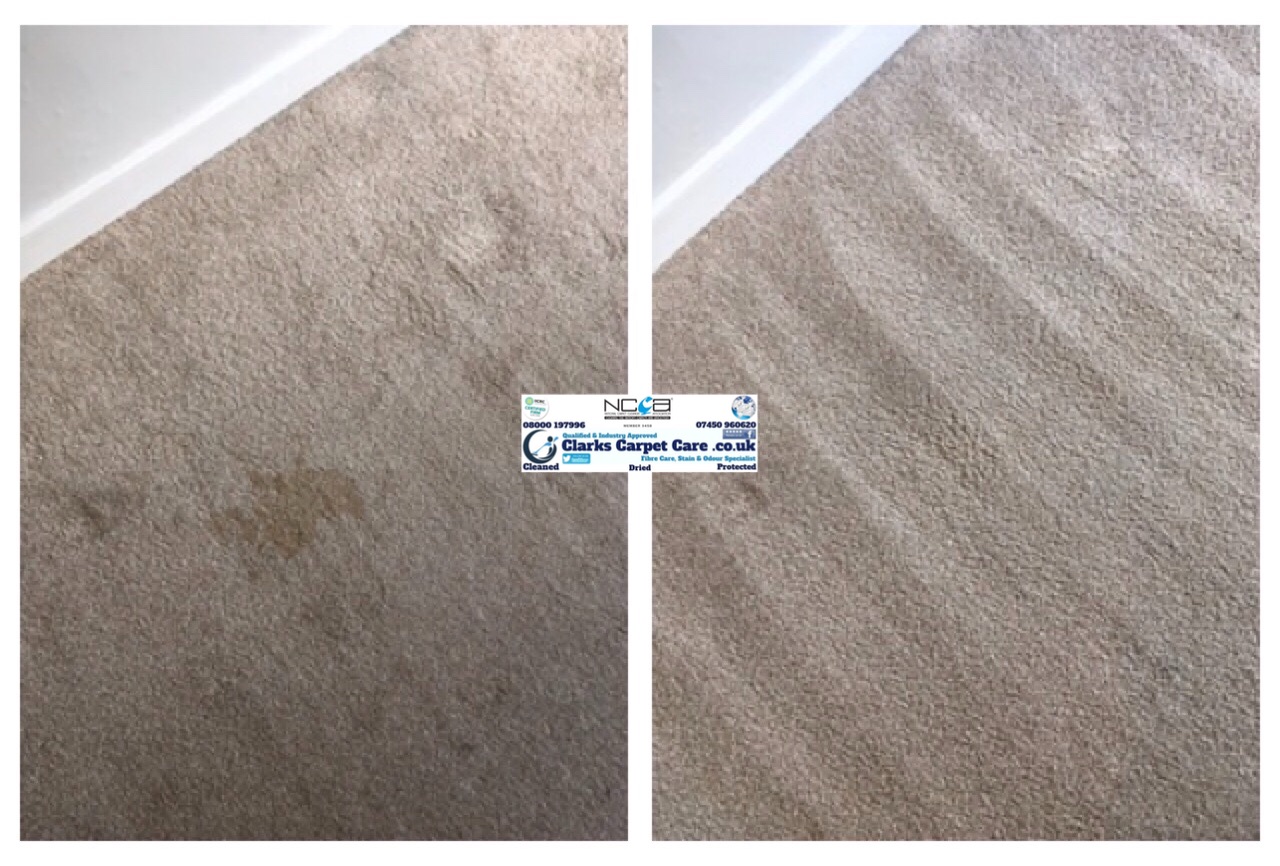
Many flattened carpet areas can often be improved through professional treatment. Deep extraction cleaning helps lift compressed fibres while removing the dirt weighing them down. Grooming tools can also help restore the pile direction and improve the appearance of traffic lanes.
Although severely worn carpets may eventually require replacement, regular care and maintenance can greatly extend the lifespan of the flooring and help preserve its original texture for longer.
Keeping Carpets Looking Their Best
Everyday foot traffic is unavoidable, but understanding how it affects carpet texture makes it easier to manage long-term wear. Regular cleaning, preventative care, and professional maintenance all play an important role in preserving softness, appearance, and comfort.
By addressing dirt build-up early and maintaining high-traffic areas properly, carpets can continue looking cleaner, fresher, and more inviting despite the demands of daily use.