







 Written by Richard Clark on 17 Dec 2025
 Store Bought Carpet Deodorisers: Are They Helping or Harming?
Many homeowners rely on carpet deodorisers — powders, sprays, aerosols, and scented foams — to keep their carpets smelling fresh. These products are widely available in supermarkets and appear to offer a quick fix for pet odours, food smells, dampness, or general mustiness. But while carpet deodorisers seem helpful, they often do more harm than good. In many cases, they mask odours temporarily while causing long-term damage to carpets, indoor air quality, and even vacuum cleaners.
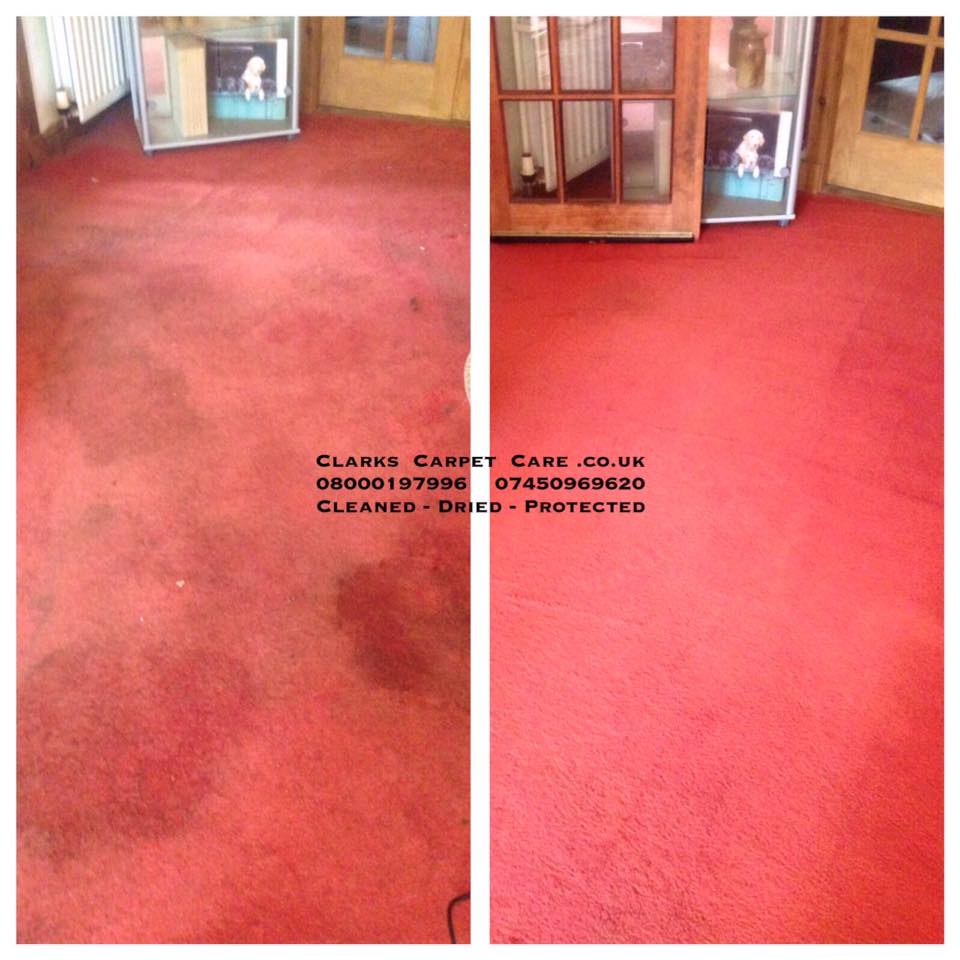
At Clarks Carpet Care, we frequently encounter carpets suffering from residue build-up, discolouration, and stubborn odours after prolonged deodoriser use. This detailed blog uncovers the truth behind carpet deodorisers — what they do, what they don’t do, and why professional cleaning is a far safer and more effective alternative.
1. Carpet Deodorisers Don’t Remove Odours — They Mask Them
The most important thing to understand is this:
Carpet deodorisers do not remove the source of odours. They only hide the smell.
Odours in carpets come from:
- Pet urine
- Food spills
- Bacteria
- Mould and mildew
- Sweat and body oils
- Spilled drinks
- Dampness in the underlay
Deodorisers do nothing to eliminate these causes. Instead, they use strong fragrances to overpower the smell — often for a few hours or days at most. Once the scent fades, the original odour returns, sometimes even stronger than before.
2. Powder Deodorisers Can Cause Serious Residue Build-Up
Powder-based deodorisers are among the worst offenders.
After applying a scented powder:
- Some of it is vacuumed up
- Much of it sinks deeper into the fibres
- A large percentage stays permanently in the pile
Over time, residue accumulates, creating a thick layer of fine dust inside the carpet. This causes:
✔ Carpet stiffness
Fibres become compacted and lose softness.
✔ Dulling and discolouration
Residue attracts dirt, causing grey or patchy areas.
✔ Heavy re-soiling
Dirt sticks to the powder residue, making carpets dirtier faster.
✔ Underlay contamination
Powders fall through the pile and settle where vacuums cannot reach.
Even professional cleaning sometimes struggles to remove years of residue from repeated powder deodoriser use.
3. Sprays and Aerosols Coat Carpets With Chemicals
While marketed as “fresheners”, sprays typically contain:
- Artificial fragrances
- Preservatives
- Solvents
- Anti-bacterial agents
- Chemical binding agents
These chemicals cling to carpet fibres, leaving a sticky film. As with powders, this residue attracts dirt. Over time, carpets may feel:
- Sticky
- Greasy
- Rough
- Heavy
This residue can also cause fading or fibre damage, especially on wool or delicate carpets.
4. Carpet Deodorisers Can Trigger Allergies and Respiratory Issues
Many deodorisers contain synthetic fragrances designed to linger for long periods. These fragrances can cause:
- Headaches
- Sneezing
- Skin irritation
- Respiratory discomfort
- Asthma flare-ups
Children and pets are especially vulnerable, as they spend more time close to the carpet surface.
For individuals with scent sensitivities, carpet deodorisers can make symptoms significantly worse.
5. Deodorisers Often Damage Vacuum Cleaners
Powders, in particular, are problematic for vacuum cleaners.
They can clog:
- Filters
- Hoses
- Rotating brushes
- Motorised heads
- Internal tubing
Over time, this reduces suction power and increases the risk of overheating or motor burnout. Many vacuum manufacturers warn against the use of powdered carpet products for this exact reason.
Professional carpet cleaners frequently hear complaints that vacuums have become noisy, weak, or ineffective after regular deodoriser use.
6. Deodorisers Can Lock Odours In, Making Them Harder to Remove Later
When mascara-like residues coat carpet fibres, they trap odour-causing bacteria beneath them. Odours then become sealed inside the carpet.
This creates a more complex cleaning job because:
**✔ Odours must be removed
✔ Residues must be broken down
✔ Fibres must be rinsed thoroughly
✔ Underlay hygiene may need addressing**
This is why carpets with long-term deodoriser use often require specialist professional treatments.
7. Some Deodorisers Cause Permanent Carpet Damage
Powders and sprays containing bleach or oxidising agents can cause:
- Patchy discolouration
- Lightened areas
- Yellowing
- Faded spots
- Fibre degradation
Many products marketed as “oxy fresh” or “biological stain remover” contain harsh ingredients unsuitable for wool, natural fibres, or patterned carpets.
Once chemical damage occurs, it cannot be reversed.
8. Deodorisers Do Nothing for Bacteria, Mould, or Deep Odours
Most carpet odours originate beneath the visible surface. Deodorisers cannot reach:
- Underlay contamination
- Bacterial colonies
- Urine salts
- Spores
- Staining deep inside fibres
In contrast, professional hot water extraction uses:
- High heat
- Strong suction
- Fibre-safe solutions
…to reach and remove contaminants far below the surface.
So What Should You Use Instead of Deodorisers?
1. Regular vacuuming with a HEPA filter
This removes dust, dander, and pollen at the source.
**2. Professional deep cleaning
(Every 6–12 months)**
Steam cleaning eliminates bacteria, odours, allergens, and hidden dirt.
3. Enzyme treatments for pet odours
These break down urine molecules naturally and safely. But still require professional extraction and neutralisation.
4. Good ventilation
Helps prevent damp smells.
5. Prompt treatment of spills
Stops odour-causing bacteria from forming.
6. Professional deodorising solutions
Unlike supermarket products, these neutralise smells rather than masking them.
Why Professional Odour Removal Works Better
At Clarks Carpet Care, we eliminate odours using:
- High-temperature steam cleaning
- Enzymatic odour neutralisers
- Sanitising agents
- Deep extraction equipment
Our methods:
- Kill bacteria
- Remove organic matter
- Neutralise smells
- Clean deep into the underlay
- Leave no residue behind
This produces results that deodorisers simply cannot match.
When Should You Call a Professional?
You should contact a carpet cleaning specialist if:
- Odours return quickly after deodoriser use
- Carpets feel sticky or dusty
- Pets have urinated on carpets
- You smell damp or mould
- Your vacuum performance has worsened
- Visible residue is present on the surface
Professional cleaning restores hygiene, appearance, and freshness without chemical risks.
Carpet Deodorisers Often Help Less Than You Think
Carpet deodorisers may seem like an easy fix, but in reality, they only cover up odours while causing long-term problems — from residue build-up and respiratory irritation to carpet damage and clogged vacuums.
For genuinely fresh, clean, and healthy carpets, professional cleaning is the safest and most effective solution. Clarks Carpet Care uses advanced, fibre-safe, eco-friendly methods to eliminate both visible and hidden contaminants, leaving carpets thoroughly cleaned and naturally fresh without artificial fragrances.
When it comes to odour control, professional cleaning doesn’t mask smells —
it removes them at the source.